
Breed guide
Maine Coon Breed Guide: Care, Temperament, Health and Training
Complete Maine Coon cat breed guide covering temperament, long-coat grooming, activity needs, and preventive care for this loving gentle giant.
PawNido Editorial Team · 5 min read · Published yesterday

Maine Coon Breed Comparison
While Maine Coons are celebrated for their large size, lush double coats, and friendly personalities, prospective owners often compare them to other longhaired breeds like the Norwegian Forest Cat and the Ragdoll. Maine Coons tend to weigh between 5.00 kg and 8.00 kg, displaying a distinct square muzzle and large tufted ears. Unlike some dependent breeds, Maine Coons maintain an independent yet affectionate nature, often following family members around without constantly demanding hands-on attention. Their love for water and adaptable temperament make them particularly unique among large domestic felines.
Maine Coons are known for their distinct traits and gentle nature. Many Maine Coons display a notable fascination with water, frequently playing with tap water or splashing in bowls. While adaptable to apartment living, they benefit from sturdy vertical climbing spaces and daily interactive play to support physical health. Routine grooming several times a week helps manage their dense coat and reduce hairballs.
Nutrition and Daily Activity
Despite their calm personality, Maine Coons possess a moderate energy level and benefit from interactive play that stimulates their keen intelligence. Providing puzzle toys, sturdy climbing trees that can support their substantial frame, and daily chasing games helps keep them physically fit and mentally satisfied. Nutritional needs should be met with balanced feline formulas tailored to age, body condition, and physical activity, adhering to nutritional guidelines established by veterinary organization standards like the World Small Animal Veterinary Association.
Grooming and Coat Care Requirements
Maintaining the Maine Coon's luxurious long coat requires a reliable weekly grooming routine to prevent tangles and mats. Although their coat shedding is moderate, regular combing helps remove loose undercoat fibers and keeps their skin healthy. Pay special attention to the longer fur on the belly, britches, and dense collar. Periodic nail trimming and routine ear inspections complete their basic physical maintenance routine. Owners seeking general home care suggestions can consult https://www.pawnido.com/pet-care-tips for practical advice.
Health Awareness and Preventive Care
While Maine Coons are generally robust cats, routine veterinary checkups are essential to track growth, body weight, and overall dental health throughout their 12 to 15 year lifespan. Preventive care includes keeping vaccinations up to date, maintaining internal and external parasite control, and observing changes in energy levels or joint mobility as they mature. Always consult a licensed veterinarian for specific medical diagnostic evaluations or personalized care protocols.
Overview and Lifestyle Compatibility
Renowned as a gentle giant among domestic felines, the Maine Coon originated in the United States and is celebrated for its muscular build, expressive features, and luxurious long coat. Weighing between 5 and 8 kg (12 to 18 lbs) with a typical lifespan of 12 to 15 years, this breed combines a imposing physical presence with a remarkably pleasant demeanor. Maine Coons are versatile companions that fit effortlessly into diverse home environments, ranging from active family households to quiet single-owner homes. They are social and welcoming toward family members and strangers alike, displaying an affectionate yet respectful nature that makes them stand out among longhaired breeds.
Conclusion: Is a Maine Coon Right for You?
The Maine Coon is an affectionate, intelligent, and remarkably adaptable companion suited for diverse household environments. With an average lifespan of 12 to 15 years and a typical weight between 5.00 kg and 8.00 kg, these gentle giants offer years of loyal companionship when provided with routine preventive veterinary care, quality nutrition, and steady enrichment. Owners who appreciate a gentle, water-loving cat with an independent streak will find the Maine Coon to be a deeply rewarding addition to the home.
Enrichment and Positive Reinforcement Training
Thanks to their high intelligence and inquisitive disposition, Maine Coons respond exceptionally well to basic clicker training and positive reinforcement. They can easily learn interactive games like fetch, walking on a harness, or basic behavioral cues. Channeling their natural curiosity into structured enrichment prevents boredom and reinforces a strong bond between cat and owner. Explore https://www.pawnido.com/training for further positive training strategies.
Annual and Lifetime Costs of Caring for a Maine Coon
Budgeting for a Maine Coon requires accounting for their larger physical size, which directly influences food intake, grooming needs, and veterinary care. Initial expenses typically range from $1,200 to $3,000, covering adoption fees, essential microchipping, initial vaccinations, and larger-sized cat supplies. Annual maintenance usually ranges from $1,000 to $2,500 per year, including routine veterinary examinations, preventative parasite control, complete nutrition, and grooming equipment. Estimates vary significantly by location, provider, age, and health status. Potential health monitoring for genetic conditions may require specialized veterinary diagnostics, which can influence long-term care costs over their typical 12 to 15 year lifespan.
Maine Coon Profile Overview
| Attribute | Specification |
|---|---|
| Origin | United States |
| Lifespan | 12 - 15 years |
| Weight Range | 5.00 - 8.00 kg (12 - 18 lbs) |
| Coat Type | Luxurious Long Coat |
| Temperament | Adaptable, Intelligent, Loving, Gentle, Independent |
| Alternative Names | Coon Cat, Maine Cat, Maine Shag, American Longhair |
Estimated Maine Coon Care Costs
| Category | Initial Cost Range | Annual Recurring Range |
|---|---|---|
| Adoption or Breeder Fee | 1,000 USD - 2,500 USD | N/A |
| Veterinary Care & Preventive Medicine | 200 USD - 400 USD | 300 USD - 800 USD |
| Diet & Feeding Supplies | 100 USD - 150 USD | 500 USD - 900 USD |
| Grooming Tools & Litter Supplies | 100 USD - 200 USD | 200 USD - 500 USD |
| Enrichment, Trees & Scratchers | 150 USD - 300 USD | 50 USD - 150 USD |
Frequently asked questions
Are Maine Coons good apartment cats?
Yes, Maine Coons adapt well to apartment living provided they receive adequate vertical space, sturdy scratching posts, and regular interactive playtime to satisfy their curiosity.
Do Maine Coons really like water?
Many Maine Coons show a distinct affinity for water, often dipping their paws into water bowls, exploring running sinks, or playing around damp surfaces.
How often should I groom a Maine Coon?
Brushing or combing their long coat 2 to 3 times per week is generally sufficient to minimize matting and control seasonal shedding.
Trusted references
Related PawNido resources
Related breeds
Related articles
Care
Maine Coon Feeding Guide by Age: Kitten, Adult and Senior Nutrition
Learn how to feed your Maine Coon across every life stage. Discover tailored nutritional needs for kittens, adults, and seniors to support lean muscle, joi...
By PawNido Editorial Team Breed
Breed
Dachshund vs Miniature Bull Terrier: Care, Temperament and Lifestyle Compared
Comparing the Dachshund and Miniature Bull Terrier across temperament, physical needs, grooming, and training to help prospective owners choose the best co...
By PawNido Editorial Team Breed
Breed
French Bulldog Breed Guide: Care, Temperament, Health and Training
Discover essential care, temperament traits, exercise needs, and health guidelines for the French Bulldog in this complete breed guide.
By PawNido Editorial Team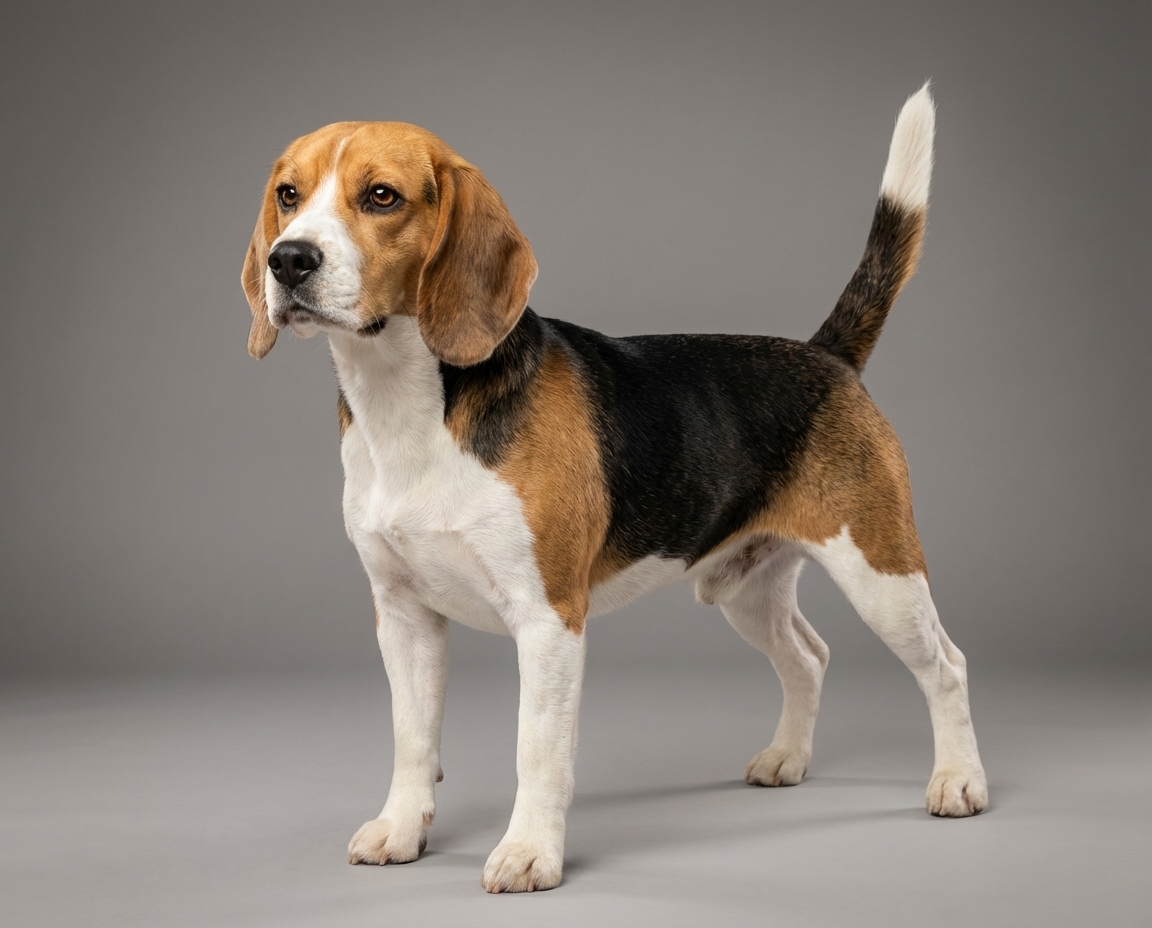 Breed
Breed
Beagle vs Kooikerhondje: Care, Temperament and Lifestyle Compared
Compare the Beagle and Kooikerhondje across temperament, grooming, exercise needs, and home suitability to discover which breed fits your lifestyle.
By PawNido Editorial Team