
Breed guide
Beagle vs Kooikerhondje: Care, Temperament and Lifestyle Compared
Compare the Beagle and Kooikerhondje. Explore differences in temperament, grooming, exercise, health care, and living compatibility to choose the best breed.
PawNido Editorial Team · 5 min read · Published today
Frequently Asked Questions
What are the primary exercise requirements for these breeds? Both breeds require at least 60 minutes of daily exercise and sensory stimulation to remain healthy and engaged. Do Kooikerhondjes require more grooming than Beagles? Yes, the Kooikerhondje's medium-length feathered coat requires regular weekly brushing to prevent mats, while the Beagle's smooth coat requires minimal maintenance. Are both breeds good with families? Yes, both breeds are generally friendly and gentle companions when adequately socialized and trained.
Selecting the Ideal Companion
Choosing between a Beagle and a Kooikerhondje depends on your family's activity level and grooming preferences. The Beagle offers an outgoing, social personality suited for active households comfortable managing a strong scent drive. The Kooikerhondje provides an alert, trainable spaniel temperament well suited for canine agility and structured exercise. Consulting with veterinary professionals can help guide your decision based on your household dynamic.
Care and Maintenance Cost Overview
Acquiring a Beagle or Kooikerhondje generally incurs an initial purchase price between $1,000 and $2,500 USD. Annual maintenance expenses—covering veterinary checkups, preventive treatments, food, supplies, and routine grooming—typically average between $1,000 and $2,300 USD per year. Actual long-term costs vary considerably based on geographical location, specific veterinary provider, dog age, life stage, and individual health status.
Comparing Temperament and Daily Home Life
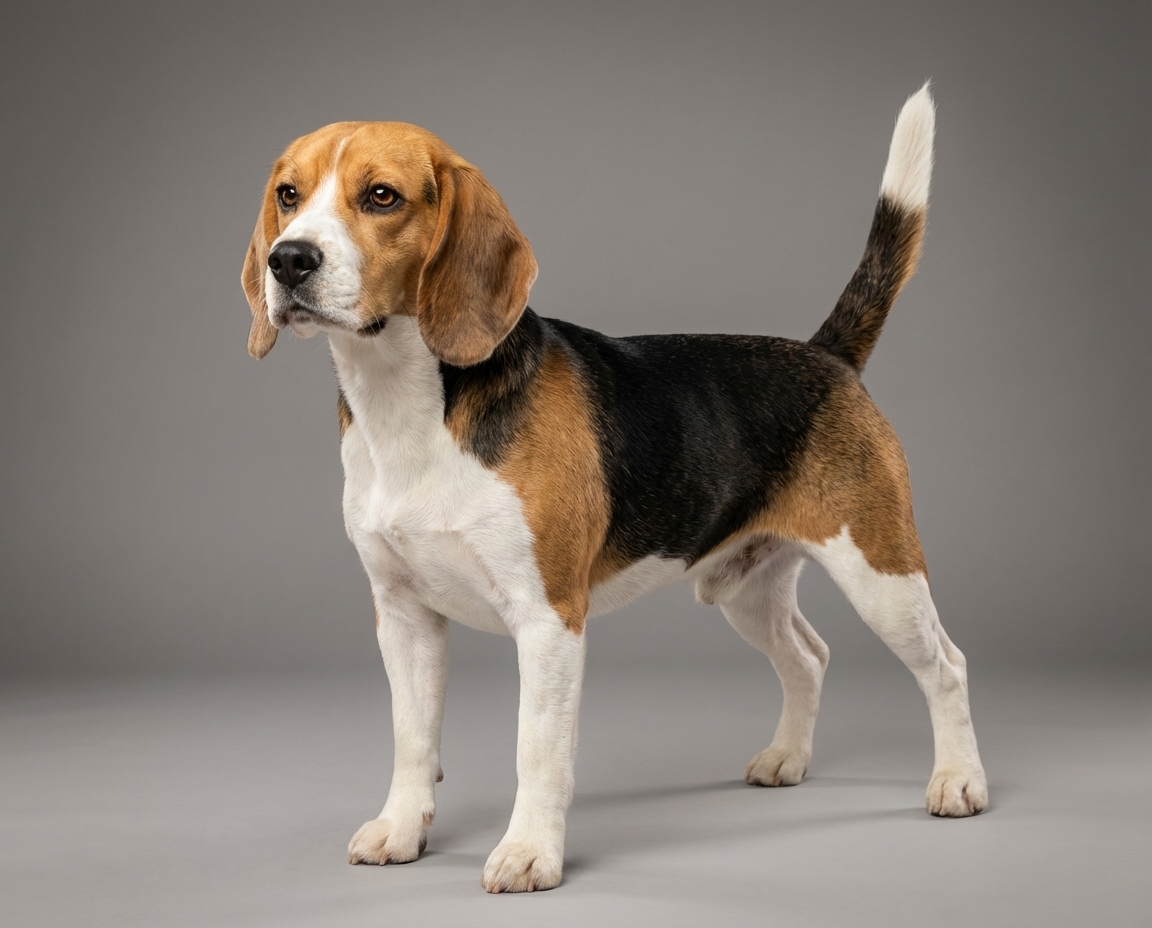
While both the Beagle and the Kooikerhondje share similar weight ranges of 9 to 14 kg, their temperaments and working histories shape distinct daily behaviors. The Beagle, originating from England as a foot-hound for tracking hares, is famously friendly, outgoing, curious, and gentle. Beagles possess a strong hound drive and a distinctive baying vocalization, making them sociable with families but prone to following scent trails whenever outdoors. On the other hand, the Kooikerhondje is a Dutch sporting breed historically developed as a duck decoy dog. Naturally intelligent, alert, cheerful, and adaptable, the Kooikerhondje tends to be slightly more attentive to its handler while maintaining an energetic yet balanced disposition indoors.
Preventive Health Care and Nutritional Guidelines
Managing diet and wellness is crucial for maintaining long-term vitality in both breeds. Because Beagles love food and can be prone to overeating, portion management and measured feeding schedules are critical to prevent weight gain. Kooikerhondjes require balanced energetic diets that support their active sporting metabolism. Owners should select diets meeting FEDIAF or WSAVA nutritional standards appropriate for medium-sized active dogs. Routine veterinary wellness exams, dental hygiene care, and joint health monitoring ensure both breeds enjoy their typical 10 to 15 year life spans.
Comparing the Beagle and Nederlandse Kooikerhondje
While both the Beagle and the Nederlandse Kooikerhondje are compact, energetic breeds with similar weight ranges between 9 and 14 kg, they differ in working heritage, vocal tendencies, and grooming requirements. The Beagle is a sturdy scent hound originally bred for pack hunting, featuring a short coat and a distinctive baying voice. The Kooikerhondje is an agile Dutch duck decoy spaniel with a silky orange-red and white coat with feathered ears. Beagles are driven primarily by scent, whereas Kooikerhondjes are typically eager to please and highly adaptable working spaniels.
Physical Characteristics and Coat Care Requirements
Physically, both breeds are compact, but their coat textures and grooming routines differ substantially. The Beagle features a short, dense, weather-resistant coat that requires simple routine brushing to remove loose hair. In contrast, the Kooikerhondje displays a silky, medium-length, orange-red and white coat with characteristic feathered ears and tail. Routine grooming for a Kooikerhondje requires consistent brushing to prevent matting in the delicate feathering. Both breeds require routine ear inspections, particularly due to the floppy ear structure that can trap moisture and debris.
Exercise Routines, Training Dynamics, and Lifestyle Fit
Both breeds are energetic and require daily structured physical activity, though their focus during exercise varies. Beagles thrive on scent-based exploration and long walks, but their stubborn scent-following instinct means secure fencing and leash management are necessary. Engaging in structured obedience programs via dedicated resources like PawNido training guidance can help owners establish positive reinforcement habits. The Kooikerhondje's high intelligence and agile nature make it particularly suited for interactive games, agility, and dog sports. While both adapt well to active households, the Kooikerhondje often demonstrates higher sensitivity and responsiveness during training sessions compared to the independent hound nature of the Beagle.
Beagle vs Kooikerhondje Comparison Overview
| Trait / Characteristic | Beagle | Kooikerhondje |
|---|---|---|
| Origin | England | Netherlands |
| Breed Group | Hound | Sporting |
| Average Weight | 9 - 14 kg (20 - 30 lbs) | 9 - 14 kg (20 - 30 lbs) |
| Average Height | 33 - 41 cm | 38 - 43 cm |
| Life Span | 10 - 15 years | 12 - 15 years |
| Coat Type | Short, dense coat | Medium silky coat with feathering |
| Temperament | Friendly, gentle, curious, outgoing | Intelligent, alert, energetic, adaptable |
Estimated Initial and Annual Care Costs (USD)
| Expense Category | Initial Range | Annual Recurring Range |
|---|---|---|
| Acquisition / Adoption | $1,000 - $2,500 | N/A |
| Veterinary Care & Preventive Medicine | $300 - $600 | $400 - $1,000 |
| Nutrition & Treats | $100 - $200 | $450 - $900 |
| Grooming & Supplies | $150 - $300 | $150 - $400 |
| Total Cost Estimate | $1,550 - $3,600 | $1,000 - $2,300 |
Frequently asked questions
Which breed is better suited for apartment living?
Both breeds can adapt to apartment living if their physical exercise and mental stimulation needs are met daily. However, the Beagle's distinct baying voice may require extra noise management in close quarters.
Are Beagles or Kooikerhondjes easier to train?
Kooikerhondjes are generally more handler-focused and responsive to interactive training routines, whereas Beagles can be independent when guided by enticing scent trails.
How do their exercise needs compare?
Both breeds are energetic and require daily moderate-to-vigorous exercise. Beagles excel at long walks and scent work, while Kooikerhondjes thrive in canine sports, agility, and fetching games.
Trusted references
Related PawNido resources
Related breeds
Related articles
Breed
Can a Beagle Live in an Apartment? Space, Exercise and Noise
Learn whether a Beagle can successfully adapt to apartment living, including key insights on physical size, vocal traits, exercise needs, and training stra...
By PawNido Editorial Team Breed
Breed
Can a Labrador Retriever Live in an Apartment? Space, Exercise and Noise
Discover whether a Labrador Retriever can thrive in an apartment. Explore practical guidance on physical space, exercise requirements, noise management, an...
By PawNido Editorial Team Breed
Breed
Bulldog vs Small Münsterländer: Care, Temperament and Lifestyle Compared
Comparing the Bulldog and Small Münsterländer reveals two distinct approaches to daily life, from calm home lounging to energetic field activities. Discove...
By PawNido Editorial Team
Breed
Is a Bulldog Good for Families? Children, Pets and Daily Life
With their calm, friendly, and affectionate temperament, Bulldogs can make wonderful companions for family life. Learn how Bulldogs behave around children,...
By PawNido Editorial Team